614.918.0050
 Westerville, OH
 614.918.0050
 Westerville, OH


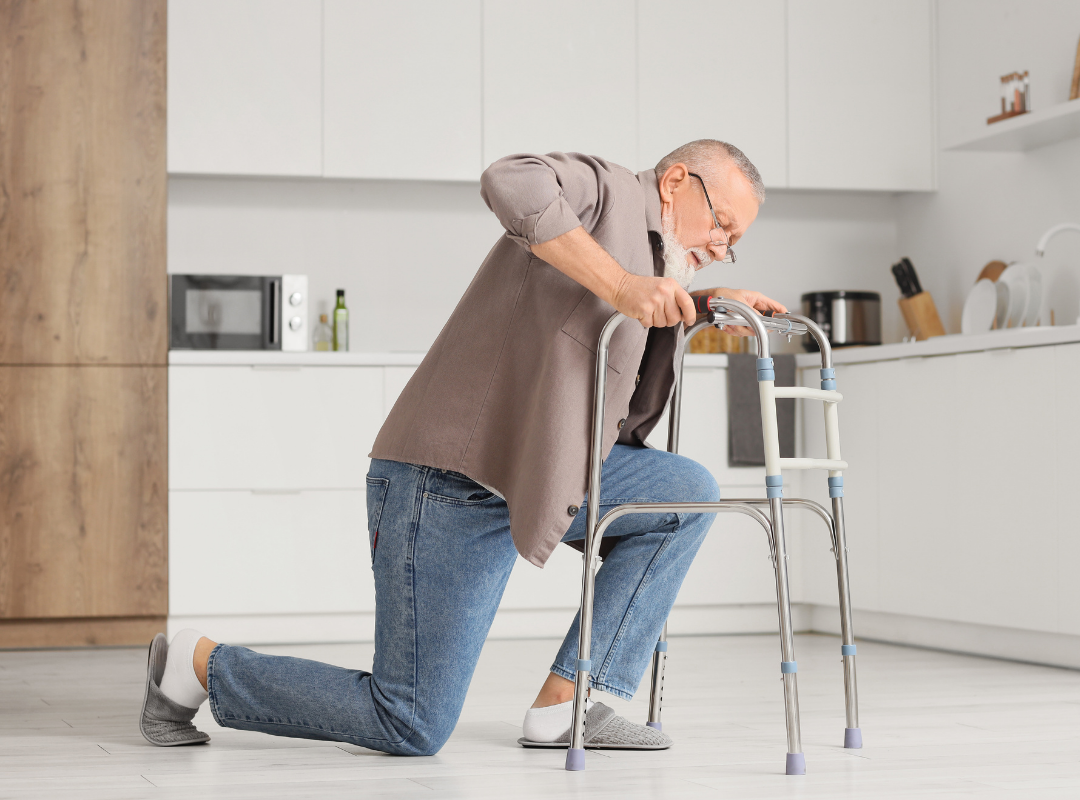
The causes of falls in the elderly often include muscle weakness, balance problems, medication side effects, and hazards around the home. When you understand these risks early, you can take practical steps to lower the chance of injury and support safer daily living.
If you are helping a parent or planning for yourself, this guide explains common triggers, warning signs, and simple prevention ideas. At The Gables of Westerville in Westerville, Ohio, you can also explore supportive options through care offerings and helpful resources on our blog.
What Causes Falls in Older Adults? A Clear Breakdown
The causes of falls in the elderly usually come from a mix of physical changes and outside hazards. In many cases, what are 3 common causes of falls can be answered simply: weaker muscles, poor balance, and unsafe surroundings.
Physical Changes That Raise Fall Risk
As you age, changes in strength, coordination, and reaction time can make everyday movement harder. The National Institute on Aging explains that falls and fractures in older adults often occur when age-related physical changes combine with environmental safety risks, which is why prevention efforts need to address both the person and the space around them through older adult fall prevention guidance.
Environmental and Medication-Related Causes
Home clutter, poor lighting, and slippery floors can all increase the risk of injury. Medication side effects can also lead to dizziness or unsteadiness, which is why the causes of falls in the elderly are not always tied to a single issue.
Most Common Causes of Falling Down Suddenly
The most common causes of sudden falls include dizziness, a sudden drop in blood pressure, or a reaction to medication. These falls can happen fast, sometimes when a person stands up too quickly or changes position without enough support.
A simple real-life example is an older adult who gets out of bed, feels lightheaded, and loses balance before reaching a stable surface. When you notice sudden unsteadiness like this, it is a sign to look closely at patterns, routines, and possible health concerns.
Key Risk Factors for Falls in the Elderly
The main risk factors for falls in the elderly often build over time. Reduced mobility, vision changes, medication use, and ongoing health issues can all increase the chance of falling, even during normal daily tasks.
Some warning signs are easier to miss than others. Frequent falls in middle-aged women may also indicate early balance, strength, or health concerns that warrant attention before those risks become more serious later in life.
Consequences of Falls in the Elderly You Shouldn’t Ignore
The consequences of falls in the elderly can be physical, emotional, and long-lasting. Injuries such as fractures or head trauma are serious, but even a less severe fall can lead to fear, reduced confidence, and less willingness to stay active.
According to the Centers for Disease Control and Prevention (CDC), 1 in 4 older adults falls each year, making falls one of the leading causes of injury among seniors. This highlights why understanding risks and prevention is so important. You can explore more through this CDC fall prevention resource. In some cases, recovery challenges may also influence conversations about life expectancy among the elderly after a fall.
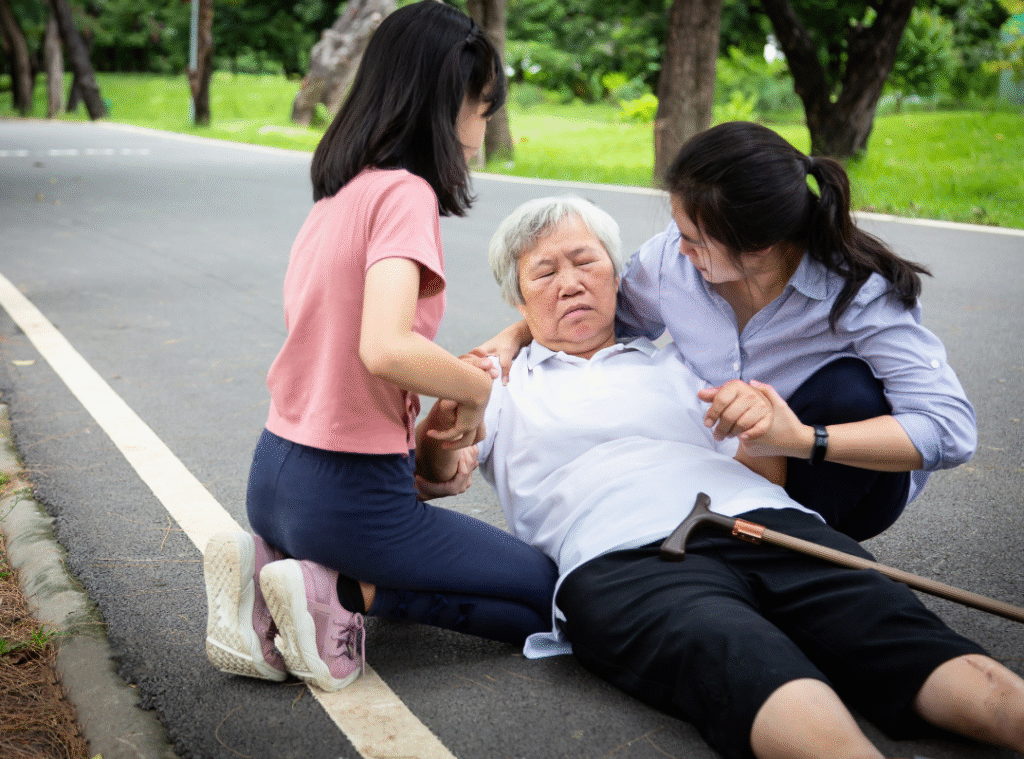
Common Fall Causes vs Prevention Strategies
When you match causes with solutions, prevention becomes easier to understand. This quick comparison shows the 3 common causes of falls and how to respond with safer daily habits, especially when you are thinking about how to prevent falls in the elderly at home.
| Common Cause | Why It Happens | Prevention Tip |
| Muscle weakness | Lower strength and stability | Encourage movement and balance-focused activity |
| Poor lighting | Harder to see hazards clearly | Improve lighting in key walking areas |
| Medication side effects | Dizziness or slower reaction | Review routines and watch for sudden changes |
| Cluttered walkways | More tripping hazards | Keep floors and paths clear |
How to Prevent Falls in Elderly at Home and Daily Life
Knowing how to prevent falls in the elderly at home starts with simple, steady changes. Clear walkways, better lighting, and daily routines that support balance can all make a meaningful difference.
Simple Home Safety Adjustments
A safer space often begins with fewer hazards and better support around daily tasks. This matters even more if a loved one has already shown some of the common risk factors for falls in the elderly.
Daily Habits That Support Stability
Support with routines can also reduce stress and lower risk. At The Gables of Westerville, residents may benefit from approved services such as Assisted Living, Independent Living, and Memory Care, along with approved amenities like routine laundry services, complimentary weekly housekeeping, on-site transportation, bathroom assistance, dressing and medication assistance, dining, yoga classes, book club, art classes, and outings to local museums and restaurants.
If you are also thinking about how the living environment affects safety and independence, a helpful next step is to read about independent living facility requirements. It explains how well-designed spaces and daily support systems can reduce fall risks while helping seniors stay confident and active.
Finding More Confidence in Daily Living
Preventing falls is not about removing independence. It is about creating the right support, noticing early warning signs, and making everyday life feel safer and more manageable for you or someone you love.
If you are exploring a setting with practical support and engaging daily life, The Gables of Westerville offers a welcoming place to start. You can schedule a tour, contact us, or call us at 614-918-0050 to learn more about available living options and everyday support.
Frequently Asked Questions
What are the main causes of falls in the elderly?
The main causes of falls in the elderly are muscle weakness, poor balance, medication side effects, and unsafe surroundings. These risks often work together rather than appearing one at a time. A dim hallway, a cluttered floor, or sudden dizziness can quickly lead to a fall. That is why it helps to look at both personal health and the home environment. Paying attention early can help prevent more serious injuries later.
What are the 5 P’s of falls prevention?
The 5 P’s of falls prevention commonly refer to pain, position, placement, personal needs, and prevention. These areas help caregivers and families check whether a person is comfortable, supported, and safe in their space. The idea is to reduce avoidable risks before a fall happens. This approach also encourages regular observation instead of waiting for a problem. When used consistently, it can support safer daily routines.
What is the first aid for falls?
The first aid for falls starts with staying calm and checking the person for pain, bleeding, or confusion before moving them. If they seem seriously hurt, it is safest to call for medical help right away. If there is no sign of major injury, help them move slowly and only if they feel able. Rushing can make the situation worse. After the fall, it is important to watch for delayed pain or changes in behavior.
How to help an elderly person who has fallen?
To help an elderly person who has fallen, first make sure they are awake, responsive, and not in immediate danger. Ask where they feel pain and avoid pulling them up too quickly. If they can move safely, offer steady support and guide them slowly to a seated position. Afterward, look at what may have caused the fall so the same problem does not happen again. A calm response can protect both safety and confidence.