614.918.0050
 Westerville, OH
 614.918.0050
 Westerville, OH


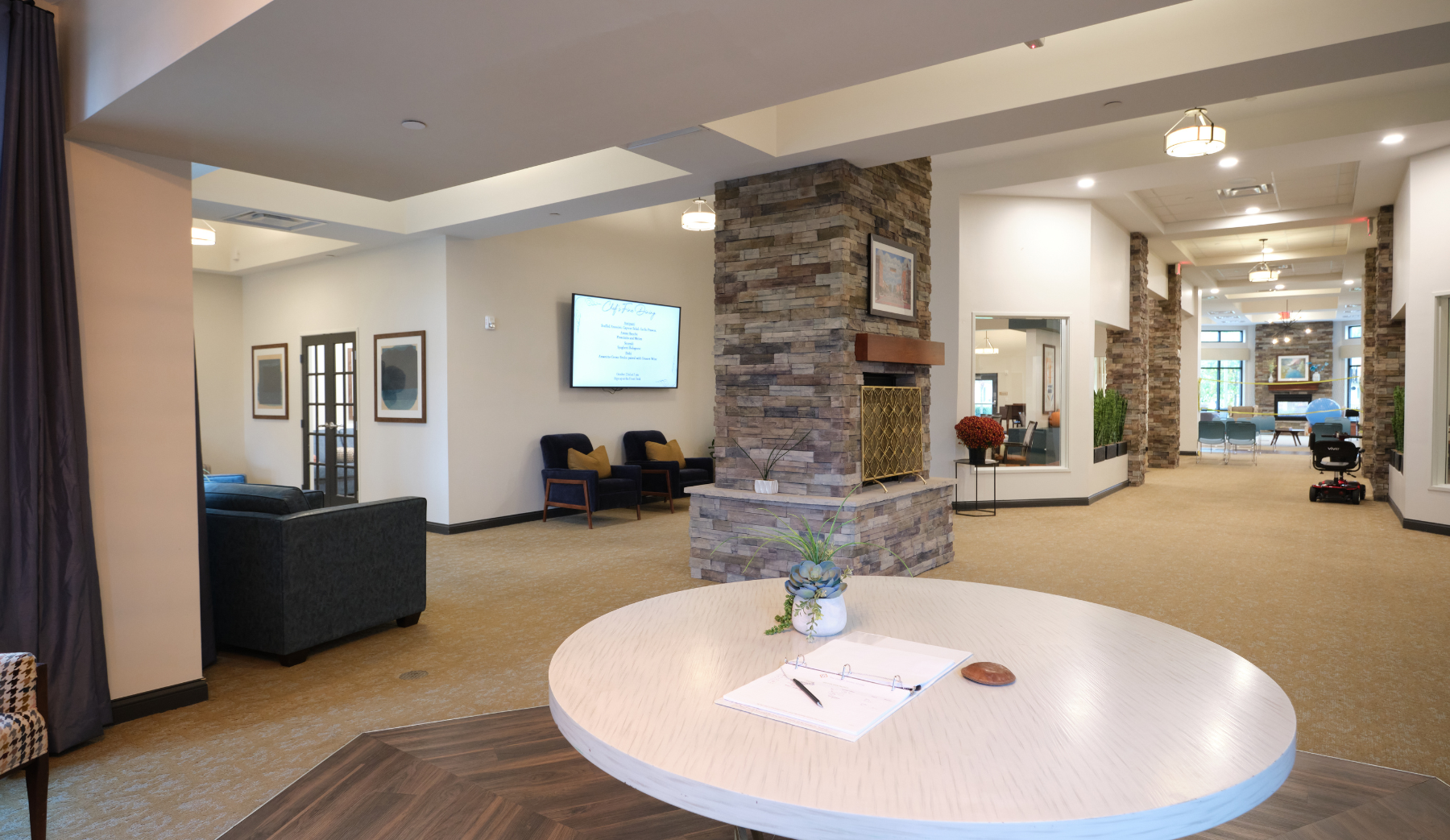
Independent living facility requirements generally include meeting the community’s residency policies, managing most daily routines without ongoing hands-on care, and being prepared for housing and service costs. Exact qualifications vary, so you should compare your current needs with the services, policies, and living environment offered by each community.
At The Gables of Westerville, Independent Living is available alongside Assisted Living and Memory Care. Understanding how resident qualifications differ from facility regulations can help you ask better questions and decide whether independent living fits your current lifestyle.
What Are Independent Living Facility Requirements?
Independent living facility requirements can refer to two different areas: the qualifications a person may need to become a resident and the standards that apply to the housing provider.
Resident requirements may involve age policies, personal readiness, financial responsibility, and agreement with community rules. Facility requirements may involve property standards, operating practices, or regulations connected to the services being provided.
Resident Requirements vs. Facility Requirements
Resident requirements focus on whether the community and its available support match your abilities, preferences, and living needs. They may include application steps, residency agreements, age policies, payment terms, and expectations for managing daily life.
Facility requirements apply to the property or organization. They may include housing rules, operating requirements, licensing, or service-related regulations. The exact standards depend on the type of community and the support it provides.
Keeping these meanings separate helps you determine whether you are asking about move-in qualifications or the rules governing the community.
What Qualifications May Be Needed for Independent Living?
The main qualification for independent living is that your daily needs should match the level of support the community provides. There is no single checklist that applies to every community, so residency policies and available services should be reviewed before making a decision.
Ability to Manage Daily Life
Independent living usually works best when you can manage most personal routines and make everyday decisions with limited assistance. This may include handling your schedule, moving around your living space, managing personal finances, and communicating when you need support.
You do not necessarily need to complete every household task alone. Routine laundry, weekly housekeeping, dining, and transportation can reduce recurring responsibilities while allowing you to continue making your own daily choices.
Appropriate Level of Support
Your support needs should match the living option you choose. Some people want fewer household responsibilities while continuing to manage most daily routines. Others may need more regular assistance with personal tasks.
The Gables of Westerville offers Independent Living, Assisted Living, and Memory Care. Its care offerings can help you compare the available service levels and identify which one more closely reflects your needs.
Community Policies and Agreements
Each community may have its own application process, residency agreement, payment policies, and move-in procedures. Review what is included, which services may involve additional charges, and how changing support needs are handled before committing.
Is There a Minimum Age for Independent Living?
Minimum age requirements vary among senior living communities. Some housing is intended for adults age 55 and older, while other communities may use different policies based on their housing model and residency requirements.
Do not assume that every independent living community follows the same minimum age rule. Confirm whether an age policy applies to every occupant or only one person in the residence.
Age policies may also be connected to federal fair housing provisions. The commonly discussed 80/20 rule applies to certain housing that intends to qualify as housing for people age 55 and older. It does not require every senior community to accept a set percentage of younger residents.

Are Independent Living Facilities Regulated?
Independent living communities are not all regulated in the same way. The rules that apply depend on the housing arrangement, property type, services offered, and state or local requirements.
In Ohio, residential care facilities that provide assisted living services are licensed and inspected by the Ohio Department of Health. Independent living residences are not automatically regulated as residential care facilities simply because they are part of a senior living community. The Ohio Department of Health’s information about residential care facilities explains the state’s role in licensing and inspecting these facilities.
Confirm which licenses and operating requirements apply to the specific living option and services you are considering.
How Can You Tell Whether Independent Living Fits Your Needs?
Independent living may fit when you want to maintain control over your daily life while reducing home responsibilities. The decision should reflect what you can manage, where support may help, and how you want to spend your time.
Home Responsibilities
Think about how much time and energy your current home requires. Yardwork, repairs, laundry, cleaning, and transportation can become less appealing even when you remain capable of living independently.
Routine laundry, complimentary weekly housekeeping, dining, and on-site transportation can reduce these demands and free up more time for the activities you value.
Daily Support
Consider how often you need personal assistance. If you require regular hands-on support throughout the day, Assisted Living may align more closely with your needs than Independent Living.
A care assessment can help you organize your questions and consider whether Independent Living, Assisted Living, or Memory Care may be the closer match.
Social and Lifestyle Preferences
Your social preferences matter as much as your practical needs. A community may be a good fit when you want easier access to shared dining, activities, outings, and opportunities to connect with others.
The National Institute on Aging reports that one in four community-dwelling adults age 65 and older are socially isolated. Access to regular interaction and meaningful activities can therefore be an important part of evaluating a living environment. National Institute on Aging guidance on social isolation provides additional context on staying connected.
When Might Another Level of Care Be More Appropriate?
Another level of care may be more appropriate when your daily needs exceed the support available through independent living. This can happen when regular personal assistance, closer guidance, or memory-related support becomes necessary.
The decision is not based on age alone. You may benefit from comparing care options when:
- Daily personal tasks require frequent assistance
- Memory changes affect routines or decisions
- Occasional support no longer feels sufficient
- Your current setting no longer matches your needs
Reviewing these needs early can make it easier to choose a living option that supports both your current routine and possible future changes.
Independent Living Requirements vs. Assisted Living Needs
Independent living and assisted living serve different support needs, even when both are offered within the same senior living community. The clearest difference is how much help you need with your daily routine.
| Consideration | Independent Living | Assisted Living |
| Primary purpose | Supports an independent lifestyle with fewer household responsibilities | Adds daily assistance based on a person’s support needs |
| Daily routines | You generally manage most routines yourself | You may receive help with certain personal tasks |
| Common services | May include dining, housekeeping, transportation, and activities | May combine residential services with additional personal assistance |
| Best next step | Review your lifestyle preferences and community policies | Discuss how often assistance is needed and which services are available |
This comparison is a starting point, not an admission standard. Communities may organize services differently, and people of the same age may require different levels of support.
What Services and Amenities Are Available at The Gables of Westerville?
The Gables of Westerville offers services and amenities that support convenience, engagement, and different levels of care. Availability may depend on the living option selected, so confirm which services are included with Independent Living.
The community is located at 131 Moss Rd. in Westerville, Ohio.
Household Convenience
Routine laundry services and complimentary weekly housekeeping can reduce time spent on recurring chores. On-site transportation can also make it easier to attend outings or manage plans without relying on your own vehicle for every trip.
These conveniences may be especially meaningful when you still value independence but no longer want home upkeep to shape your schedule.
Dining and Personal Support
Dining, barber, and salon facilities add convenience within the community. Bathroom assistance, dressing assistance, and medication assistance are also available within the community’s approved offerings.
Because personal support may vary by service level, ask which assistance is available with the living option you are considering.
Social and Enrichment Opportunities
Social and enrichment activities can help you maintain familiar interests while discovering new ones. Available opportunities include Friday happy hour, Sunday movie or musical matinees, yoga classes, book club, art classes, and interactive lectures and presentations.
Outings to local museums and restaurants add variety beyond the community. The most useful activities are those you can realistically see yourself enjoying.
What Should You Ask Before Choosing an Independent Living Community?
The right questions can reveal whether a community fits your needs more clearly than a general amenities list. Ask about daily life, policies, services, and future planning before making a decision.
Consider asking:
- What are the age and residency policies?
- Which services are included in the monthly rate?
- How is personal assistance requested and provided?
- What happens if support needs change?
- Which fees are due before move-in?
You may also want to discuss transportation schedules, housekeeping frequency, dining arrangements, activities, and the residency agreement. Taking notes during a visit can help you compare meaningful differences between communities instead of relying only on first impressions.
What Does Independent Living Cost at The Gables of Westerville?
Independent Living Villas at The Gables of Westerville start at $3,900. A one-time, non-refundable community fee equal to one month’s rent also applies.
A starting price does not always represent the final amount you will pay. Confirm which services are included, whether optional support changes the cost, and what fees apply before or after move-in.
The cost comparison tool can help you compare community living with the recurring expenses and responsibilities connected to remaining in your current home. Focus on the complete living arrangement, not only one monthly figure.
Senior Independent Living and Other Meanings of Independent Living
Senior independent living is a residential option for older adults who want a private living environment with access to services, activities, and shared community spaces. The term may also describe young adults learning to live independently or the broader goal of autonomy for people with disabilities, but the requirements discussed here relate specifically to senior residential living.
Decide Whether Independent Living Matches Your Next Chapter
Independent living may be a good fit when you can manage most daily routines but want fewer household responsibilities, easier access to activities, and services that match your preferences. Review the community’s policies, including services, pricing, and available care options, before deciding.
To experience the setting and discuss your questions, you can schedule a tour. For more details before planning a visit, contact The Gables of Westerville or call 614-918-0050.
Frequently Asked Questions
Who Pays for Independent Living Facilities?
Payment responsibility is established in the residency agreement. Before signing, confirm who will be financially responsible for the monthly rate and any additional charges. Review which services are included and whether optional services have separate fees. You should also confirm any one-time charges, payment schedules, and cancellation terms.
What Are the Qualifications for Independent Living?
Qualifications usually involve meeting the community’s residency policies and having needs that fit the independent living setting. You should generally be able to manage most daily routines without continuous hands-on care. The community may also have application steps, payment requirements, age policies, and a residency agreement. Exact qualifications should always be confirmed directly with the provider.
What Is the 80/20 Rule in Senior Communities?
The 80/20 rule applies to certain housing intended and operated for people aged 55 and older. To qualify for this federal housing exemption, at least 80 percent of occupied units must have at least one resident who is 55 or older. The remaining units offer flexibility, but a community is not automatically required to accept residents under age 55. HUD guidance on housing for older persons explains the occupancy and policy requirements.
Are Independent Living Facilities Regulated?
Independent living facilities may be subject to housing, property, safety, and local operating requirements. They are not all licensed in the same way as assisted living or healthcare facilities. The rules depend on the housing model and the services being provided. Confirm which licenses, inspections, and regulations apply to the specific living option you are considering.
What Is the Difference Between Independent Living and Assisted Living?
Independent living is designed for people who manage most daily routines but want services such as housekeeping, dining, transportation, or activities. Assisted living provides additional personal support based on individual needs. The difference is usually the amount and frequency of assistance required, not simply the resident’s age. Comparing current routines and support needs can help you identify a better fit.