614.918.0050
 Westerville, OH
 614.918.0050
 Westerville, OH


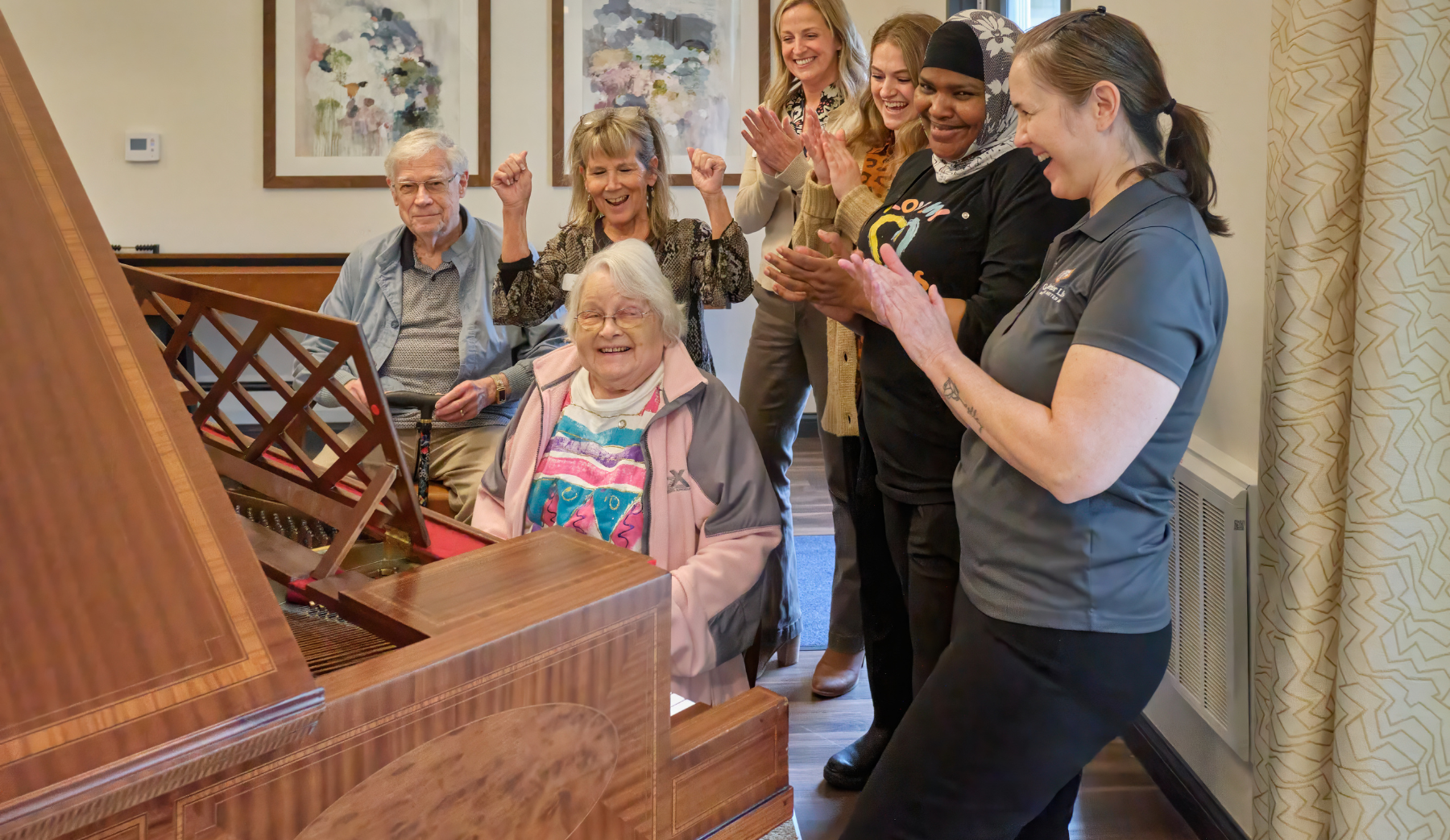
Social activities for the elderly can take many forms, from sharing a meal or joining a book discussion to creating art, moving with a group, or simply spending time in conversation. What matters most is not having the longest list of activities. It is finding forms of participation that feel comfortable, interesting, and worthwhile to the individual.
Social connection is also part of overall well-being. The CDC’s guidance on social connection explains that supportive relationships can contribute to belonging, emotional support, and better mental and physical health. For older adults, that makes the quality and fit of social participation just as important as how often an activity appears on a calendar.
What Are Social Activities for the Elderly?
Social activities are experiences that involve interaction, shared interests, participation, or connection with other people. They can be structured, such as a book club or art class, or informal, such as eating with neighbors or talking over coffee.
A useful distinction is that a social activity describes the way someone participates, while a social event is a scheduled or organized occasion that creates an opportunity to participate. One book discussion, for example, may be an event. Reading and discussing books with other people is a broader form of social participation.
That distinction matters because an older adult does not have to enjoy large gatherings to be socially engaged. One-to-one conversations, small groups, shared hobbies, learning opportunities, movement, and everyday routines can all create meaningful ways to connect.
If you are specifically looking for scheduled gatherings, outings, and organized programs, our guide to social events for seniors focuses on that side of the decision.
Why Social Participation Matters
Good social participation is not about keeping someone busy. It gives people opportunities to maintain relationships, share interests, contribute, learn, and feel connected to others.
The CDC defines social connectedness in terms of having relationships that create a sense of belonging, care, support, and value. Its guidance also connects stronger social ties with important aspects of health and well-being. You can read more in the CDC’s overview of social connectedness.
The practical takeaway is that more activity is not automatically better. A packed schedule may suit someone who enjoys frequent group interaction, while another person may feel more connected through a regular meal with familiar people, a creative class, or a small discussion group.
The better question is: What kind of participation helps this person feel interested, comfortable, and connected?
Types of Social Activities Older Adults Can Enjoy
Different activities create different kinds of participation. Thinking about the type of interaction first can make it easier to find something that fits.
Conversational and Relationship-Based Activities
Some people get the most enjoyment from talking, listening, exchanging ideas, or simply being around familiar people.
Examples may include:
- Shared meals
- Book discussions
- Coffee or conversation groups
- Visiting with friends or family
- Small-group discussions
- Interactive presentations
These choices may appeal to someone who values conversation but does not necessarily want a highly active or crowded environment.
Creative Activities for Older Adults
Creative activities give people something to do together while also allowing room for individual expression.
Examples include:
- Painting
- Drawing
- Crafts
- Music
- Creative writing
- Art classes
The social element does not have to be constant conversation. Working alongside other people on a shared interest can itself provide connection.
At The Gables of Westerville, art classes are among the activities listed on the community’s senior living activities page.
Learning and Cognitive Activities
For someone who enjoys ideas, discussion, or learning something new, mentally engaging activities can provide a natural reason to interact with others.
Examples may include:
- Book clubs
- Lectures
- Presentations
- Discussion groups
- Games that encourage shared problem-solving
- Learning-based classes
The social value often comes from having something specific to talk about. That can make participation easier for someone who is less comfortable with unstructured socializing.
The Gables currently lists book club, interactive lectures, and presentations among its activities for residents.
Physical and Movement-Based Activities
Movement can also create social participation when people exercise or stay active together.
Possibilities may include:
- Gentle group exercise
- Yoga
- Walking with another person
- Stretching or movement classes
- Recreational activities adapted to individual ability
Someone does not need to be highly athletic to participate. The activity should fit the person’s mobility, comfort, and health needs.
Yoga is one of the activities currently included in the activity offerings at The Gables of Westerville.
Purposeful and Everyday Activities
Social participation does not always need to look like entertainment.
Helping prepare for a shared activity, tending plants with someone else, arranging materials, setting a table, participating in a community project, or helping with an everyday task can provide interaction and a sense of contribution.
This can be especially useful for someone who does not enjoy joining an activity simply for the sake of being social. Having a purpose can make interaction feel more natural.
Relaxed and Low-Pressure Activities
Some older adults prefer participating without becoming the center of attention.
Watching a movie with others, listening to music, sharing a meal, sitting in on a presentation, or joining a familiar routine can offer connection without requiring constant conversation.
That kind of participation still counts. Social wellness should not be measured by how outgoing someone appears.
Comparing Activity Types and What They Offer
Different forms of participation meet different preferences.
| Participation Type | Examples | What It Encourages | May Suit Someone Who |
| Conversational | Shared meals, book discussions, small groups | Interaction and exchange | Enjoys talking or listening to others |
| Creative | Art, music, crafts | Expression and shared interest | Likes making or creating things |
| Learning-based | Lectures, presentations, discussions | Curiosity and conversation | Enjoys ideas and learning |
| Movement-based | Yoga, walking, gentle exercise | Movement with social interaction | Prefers active participation |
| Purposeful | Shared tasks, helping, community projects | Contribution and involvement | Enjoys having a role or purpose |
| Low-pressure | Movies, music, informal gatherings | Connection with less social demand | Prefers quieter or more observational participation |
No category is inherently better than another. A good fit depends on the individual and may change with energy, health, mobility, cognition, mood, or familiarity with the people involved.
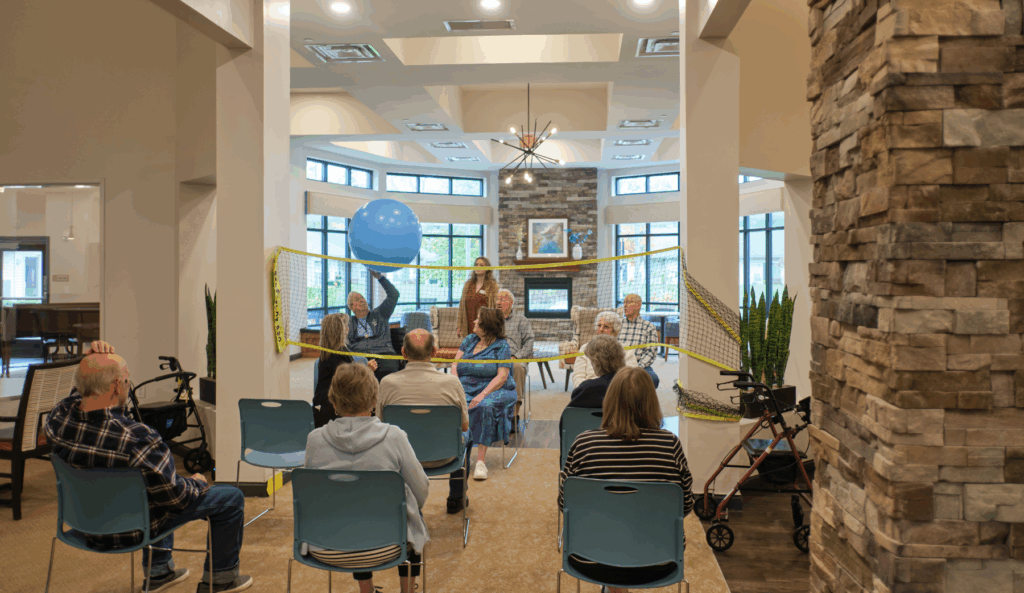
How to Choose Social Activities That Fit the Person
Instead of starting with a long list of things an older adult “should” do, begin with what you already know about the person.
Start With Existing Interests
Past interests are often the easiest starting point.
Someone who has always enjoyed books may be more interested in a reading group than a large party. A person who enjoys music may prefer a performance or a sing-along. Someone who likes working with their hands may be drawn to art or another creative activity.
You do not necessarily need to introduce something new to create social connection. Sometimes the best opportunity is a familiar interest experienced with other people.
Think About Preferred Group Size
Not everyone enjoys the same social setting.
Some people thrive in larger groups. Others prefer:
- One-to-one interaction
- A few familiar people
- Structured small groups
- Activities where conversation is optional
- Watching first and joining later
A quieter person should not be treated as unsuccessful simply because they prefer smaller groups.
Consider Energy and Physical Comfort
An activity that sounds enjoyable may still be a poor fit if it happens at a difficult time of day or requires more physical effort than someone comfortably manages.
Consider:
- How long does the activity last
- Whether sitting is available
- How much movement is involved
- Hearing or vision needs
- Transportation or walking distance
- What time of day does the person tend to have the most energy
Fit is often about removing unnecessary friction rather than finding a completely different activity.
Make Participation a Choice
People are generally more likely to enjoy an activity when they have some control over whether and how they participate.
Offering two or three realistic choices can be more respectful than deciding for someone. It can also help to explain what the activity involves before asking for a decision.
Someone may want to observe before joining. Someone else may attend once and decide it is not for them. Those responses can provide useful information about what to try next.
Making Participation Easier Without Making It Feel Forced
When an older adult seems uninterested in social activities, the answer is not always to encourage harder.
First, consider what may be making participation difficult.
The activity may be:
- Too crowded
- Too noisy
- Too unfamiliar
- Too physically demanding
- Scheduled at an inconvenient time
- Unrelated to the person’s interests
- Too dependent on talking to strangers
- Difficult to understand or follow
A smaller adjustment may solve the problem.
Someone who dislikes a large gathering might enjoy a small discussion. A person who does not want to join a new group alone may feel more comfortable attending with someone familiar. Another person might prefer to watch first rather than participate immediately.
The goal is not simply attendance. It is finding a level of participation that the person actually wants and can comfortably maintain.
Adapting Social Activities for Someone With Dementia
Activities for someone living with dementia should be based on the person’s current abilities, interests, comfort, and response to the situation.
The Alzheimer’s Association’s guidance on activities for people living with dementia recommends building on activities the person has previously enjoyed and adjusting them as abilities change. It also notes that some social settings may need to be adapted according to the person’s comfort and abilities.
Useful principles include:
- Keep familiar interests in the routine when possible.
- Adjust complexity rather than abandoning an activity automatically.
- Pay attention to signs of enjoyment, anxiety, fatigue, or frustration.
- Focus on participation and enjoyment rather than performance.
- Break complicated activities into simpler steps.
- Avoid forcing an activity that is causing distress.
The Alzheimer’s Association also encourages flexibility when an activity is not working. Families and caregivers can adjust the activity, simplify it, or try again at another time.
For families searching for fun activities for seniors with dementia, this is an important distinction: the best idea on a list is not necessarily the best activity for a particular person. Familiarity and fit matter more than novelty.
Social Activities at The Gables of Westerville
The activities available at The Gables of Westerville include a mix of creative, conversational, learning, movement, and shared experiences. Current examples listed by the community include yoga classes, book clubs, art classes, interactive lectures and presentations, Friday happy hour, Sunday movie or musical matinees, and outings to local museums and restaurants.
These examples show why it can be useful to look beyond the activity name itself. One person may choose a book club for the discussion, another may prefer art because it gives them something to focus on while spending time with others, and someone else may enjoy yoga because the social interaction happens alongside movement.
Families who want to see community-specific options can explore the current activity offerings at The Gables of Westerville.
If your next question is about scheduled gatherings, outings, recurring programs, or what to look for in an activity calendar, read the guide to organized social events for seniors.
Finding the Right Kind of Social Participation
The best social activities for an older adult are not determined by age alone. They depend on personality, interests, abilities, energy, preferred group size, and what makes participation feel worthwhile.
A good place to start is with one familiar interest and one comfortable level of interaction. Pay attention to what the person enjoys, what creates hesitation, and what makes joining easier. Over time, those observations can be more useful than any generic list of “best” activities.
If you are considering senior living and want to understand how activities fit into everyday life at The Gables of Westerville, you can explore the community’s activities before deciding what questions you want to ask during a visit.
Frequently Asked Questions
What are social activities for elderly people?
Social activities for elderly people are shared experiences that create interaction, participation, or connection with others. They may include conversation, creative projects, group movement, shared meals, learning activities, or everyday routines done with other people.
An activity does not need to involve a large group to be social. The best fit depends on the person’s interests and preferred way of connecting.
How do you encourage an older adult to participate in social activities?
Start with activities connected to the person’s existing interests and offer realistic choices rather than applying pressure.
Consider group size, energy level, familiarity, mobility, hearing, vision, and how structured the activity feels. Some people may be more comfortable observing first or attending with someone they know.
If an activity does not feel right, use that experience to adjust the setting or try a different type of participation.
What social activities are good for older adults who prefer smaller groups?
Small-group options can include book discussions, art activities, shared meals, gentle movement, games, music, or conversation around a common interest.
Structured activities can make interaction easier because everyone has a shared focus. One-to-one participation can also be meaningful for someone who does not enjoy groups.
The goal is to find a setting where connection feels comfortable rather than overwhelming.
How can social activities be adapted for someone with dementia?
Activities can often be adapted by keeping them familiar, simplifying the steps, adjusting the pace, and paying attention to the person’s current abilities and reactions.
The Alzheimer’s Association’s activity recommendations encourage caregivers to consider activities a person previously enjoyed and adapt them as abilities change.
Participation should focus on comfort and enjoyment rather than completing an activity in a particular way.