614.918.0050
 Westerville, OH
 614.918.0050
 Westerville, OH


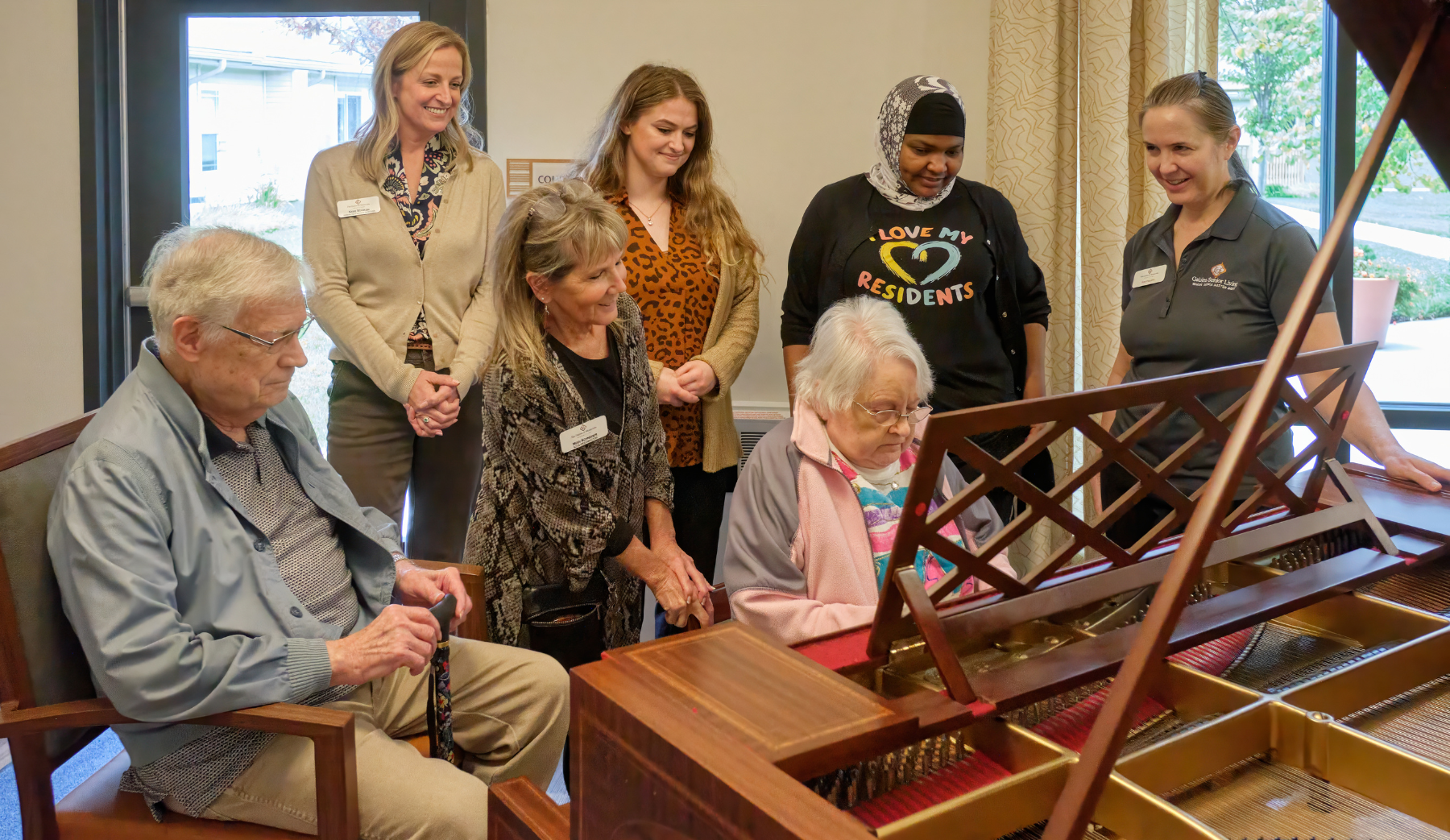
Senior Living Activities help older adults stay physically active, mentally engaged, and socially connected through meaningful daily routines, shared experiences, and supportive programs. At The Gables of Westerville, these moments can help make each day feel more active, more social, and more fulfilling.
If you are exploring options for yourself or a loved one, the right mix of programs and activities for senior citizens can make daily life feel brighter and more comfortable. This guide will show you why activities matter, how they support different needs, and what to look for when comparing care options such as Assisted Living, Independent Living, and Memory Care. For more ideas on staying engaged, you can also browse our blog.
What Are Senior Living Activities and Why Do They Matter?
Senior living activities are daily experiences designed to support physical wellness, mental stimulation, and social connection. They can include socialization activities for elderly adults, creative programs, movement-based classes, and structured group events that help residents feel involved in community life.
These activities matter because they help turn routine into something more meaningful. The National Institute on Aging notes that about 28% of older adults in the United States live alone, underscoring the importance of connection and engagement. Good senior living activities can help:
- support daily connection
- encourage movement and focus
- create a stronger sense of purpose
Types of Senior Living Activities That Support Daily Well-Being
Some of the best programs and activities for senior citizens support more than one aspect of well-being simultaneously. A morning yoga class can encourage movement, a book club can keep conversation flowing, and art classes can offer both creativity and calm.
Other unique activities for seniors help make daily life feel fresh and enjoyable. Friday happy hour, Sunday movie or musical matinees, interactive lectures and presentations, and outings to local museums and restaurants all add variety to the week while encouraging natural socialization for elderly residents.
Indoor Activities for Seniors That Encourage Comfort and Engagement
Strong indoor programming matters because not every meaningful day has to happen outside the community. Thoughtful indoor activities for seniors in nursing homes can still bring energy, structure, and connection, especially when comfort and ease are part of the experience.
At The Gables of Westerville, options such as art classes, book club, Sunday movie or musical matinees, and interactive lectures and presentations can help residents stay engaged indoors. For residents who benefit from memory-focused routines, adaptable activities can also support activities for nursing home residents with dementia in a more familiar and reassuring setting. The Alzheimer’s Association also notes that activities can enhance the quality of life for people living with dementia.
How an Activity Calendar Supports Consistency and Engagement
A strong activity calendar for assisted living facility settings gives each day a clearer rhythm. When residents know what is coming, it can feel easier to join in, build routines, and stay connected to the people around them.
| Day | Morning Activity | Afternoon Activity | Main Focus |
| Monday | Yoga classes | Art classes | Movement and creativity |
| Tuesday | Book club | Interactive lecture | Conversation and learning |
| Wednesday | Dining | Sunday movie or musical matinee-style entertainment | Comfort and enjoyment |
| Thursday | Barber and salon visit | Group social time | Routine and confidence |
| Friday | Yoga classes | Friday happy hour | Wellness and connection |
A simple calendar like this can support both planning and participation. It also gives families a clearer picture of how Senior Living Activities fit into daily life.
Choosing the Right Senior Living Activities for Your Needs
The right activity plan should feel personal, not one-size-fits-all. If you are comparing communities, consider whether the daily schedule supports your interests, comfort level, and care needs, especially when reviewing independent living activities for senior lifestyles or more supportive settings.
If independence is your priority
Look for activities that encourage choice and routine, such as yoga classes, book club, and outings. These can support confidence while still giving you room to enjoy your own pace.
If social connection matters most
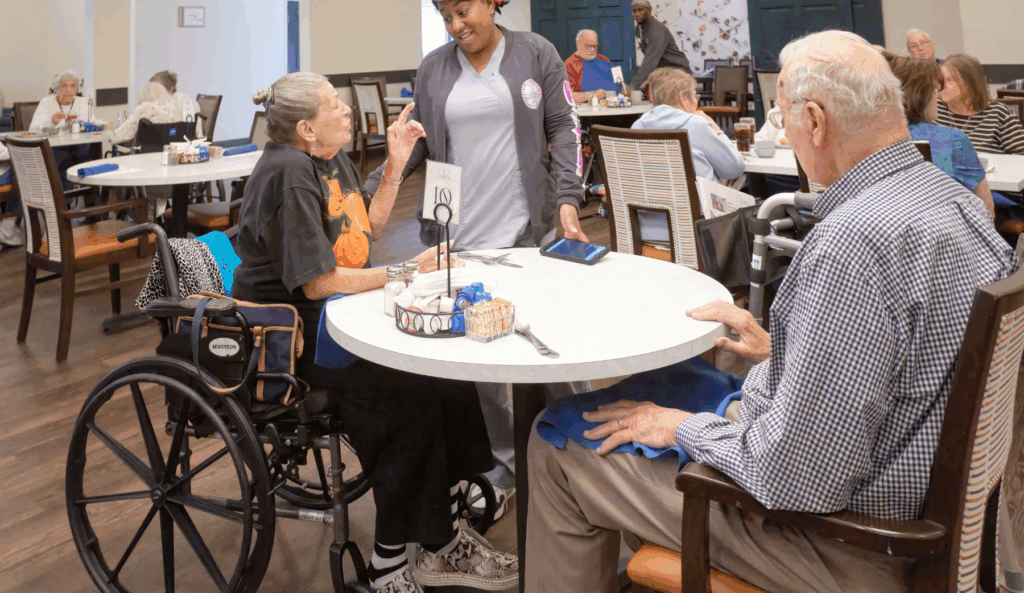
Shared dining, Friday happy hour, and community events can make it easier to build friendships. These kinds of socialization activities for elderly adults often help daily life feel warmer and more connected.
If memory support is part of the picture
Smaller, familiar activities may feel more comfortable and encouraging. Structured schedules can also support activities for nursing home residents with dementia by adding routine and reducing stress.
If you want a more guided next step, the care assessment and lifestyle assessment can help you think through what may fit best.
How Senior Living Activities Support Daily Life at The Gables of Westerville
Daily engagement works best when it is supported by the right services and amenities. At The Gables of Westerville, residents can benefit from Assisted Living, Independent Living, and Memory Care, along with practical support such as routine laundry services, complimentary weekly housekeeping, on-site transportation, and assistance with bathroom, dressing, and medication.
Those essentials work alongside community experiences that help daily life feel fuller and more enjoyable. Dining, barber and salon facilities, yoga classes, art classes, Friday happy hour, Sunday movie or musical matinees, book club, interactive lectures and presentations, and outings to local museums and restaurants all show how unique activities for seniors can be part of a well-rounded routine.
See How the Right Activities Can Change the Feel of Every Day
The best Senior Living Activities do more than fill time. They can support movement, encourage conversation, and help daily life feel more joyful and connected. The CDC’s guidance for older adults also highlights the benefits of physical activity for adults 65 and older, which is one reason programs like yoga and regular movement matter so much.
If you are ready to picture what that could look like in real life, the next step can be simple. You can schedule a tour, contact us, or call us at 614-918-0050 to learn more about daily life at The Gables of Westerville and see which care option feels right.
Frequently Asked Questions
What are the 5 basic activities of daily living?
The 5 basic activities of daily living are eating, bathing, dressing, toileting, and mobility. These daily tasks help show how much support a person may need from one setting to another. In senior living, they are often used to guide care planning and daily assistance. They also help families understand whether a loved one may benefit from more support over time.
What kind of activities are good for seniors?
Good activities for seniors usually support movement, mental engagement, and social connection. Examples include yoga classes, book club, art programs, group dining, and simple games that encourage conversation. The best fit depends on a person’s comfort level, interests, and routine. A balanced schedule often works best because it supports both wellness and enjoyment.
What is the 20 questions game for seniors?
The 20-question game is a simple guessing game in which one person thinks of something, and others ask yes-or-no questions to figure it out. It can be a fun way to encourage memory, conversation, and shared attention. For older adults, it works well because it is flexible and easy to adjust. It can also be a nice option for small groups or quieter indoor moments.
What are the 12 activities of daily living in nursing?
The 12 activities of daily living in nursing are a broader framework for understanding how a person manages everyday life. They often include areas such as movement, personal care, communication, safety, eating, and social interaction. This wider view helps care teams understand not just physical needs, but also emotional and practical needs. In senior living, that can lead to more thoughtful support and better daily routines.