614.918.0050
 Westerville, OH
 614.918.0050
 Westerville, OH


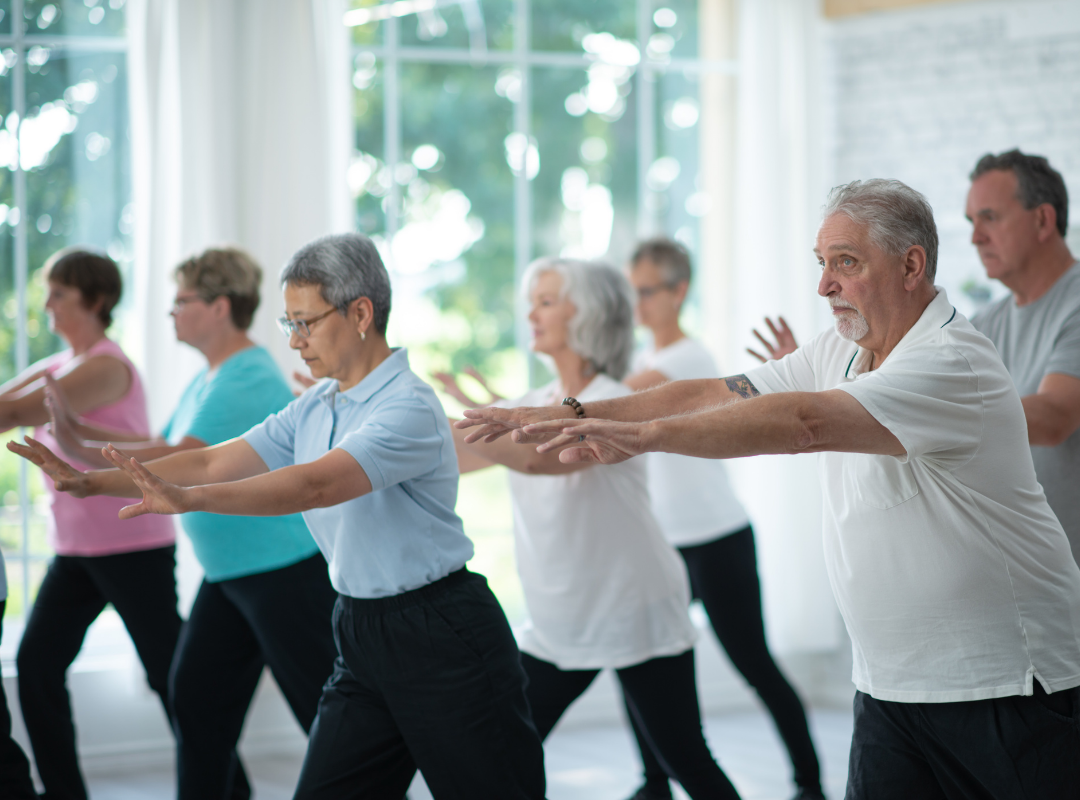
Senior fitness programs combine activities that support strength, balance, flexibility, mobility, and cardiovascular wellness. A suitable program should reflect your abilities, interests, goals, and preferred level of support, making regular participation feel comfortable and realistic.
Choosing among group classes, home routines, online sessions, and community activities can feel confusing at first. Understanding what each option provides can help you or a family member build a more balanced routine. At The Gables of Westerville, wellness opportunities such as yoga classes are part of an active community lifestyle.
What Is a Senior Fitness Program?
A senior fitness program is an organized approach to physical activity that reflects the abilities, interests, and wellness goals of older adults. Programs may include instructor-led classes, online sessions, home exercises, walking groups, strength activities, balance practice, or yoga for older adults.
A balanced program connects different types of activity with everyday movement and broader wellness goals. The National Institute on Aging’s exercise guidance identifies aerobic, muscle-strengthening, and balance activities as three key types of exercise for older adults.
Senior fitness program defined: A senior fitness program is a planned combination of activities that helps an older adult work on strength, balance, movement, and overall wellness at a suitable pace.
The Four Parts of a Well-Rounded Senior Fitness Program
A well-rounded routine includes more than one kind of movement. Each part serves a different purpose, and the right combination depends on what you want to improve and what feels manageable.
Strength
Strength activities work the muscles used during daily routines, including standing, walking, lifting, and carrying. A program may use seated movements, standing exercises, light resistance, or body-weight movements based on the participant’s ability and comfort.
Balance
Balance activities focus on stability and controlled movement. They may help you feel steadier while getting up from a chair, turning, changing direction, or moving through everyday spaces. Balance activities should be included as part of an older adult’s weekly mix of physical activity.
Flexibility and Mobility
Flexibility describes how comfortably muscles and joints move through a range of motion. Mobility is your ability to use that movement during daily activities. Gentle stretching, yoga poses for seniors, and controlled movement can support both areas.
Cardiovascular Wellness
Walking, low-impact movement, and dance-based activities can help form the cardiovascular part of a fitness routine. Current CDC physical activity recommendations for older adults advise adults age 65 and older to aim for at least 150 minutes of moderate-intensity aerobic activity each week, along with muscle-strengthening activities on at least two days and activities that improve balance. Activity can be divided into smaller amounts across the week.
One session does not have to cover every fitness category. Your weekly routine can combine different activities so that strength, balance, mobility, and cardiovascular wellness each receive attention.
Compare Senior Fitness Program Options by Format and Support
The type of exercise is only one part of choosing a program. The setting, schedule, instruction, social atmosphere, and ability to adapt movements can all affect whether you feel comfortable returning.
| Program format | May work well for | Potential advantages | Questions to ask |
| In-person group classes | Older adults who enjoy routine and social activity | Scheduled instruction and interaction with others | Can movements be adjusted for different abilities? |
| Live online classes | People who prefer exercising at home with real-time guidance | Convenience with a set class time | Is the technology comfortable and easy to use? |
| On-demand exercise | Those who want control over timing | Flexible access and the ability to pause | Are instructions clear and easy to follow? |
| Individual home routines | People who prefer privacy or a familiar setting | Easier to fit into an existing day | Is guidance available for selecting suitable movements? |
| Walking or movement groups | Those who enjoy informal activity and conversation | Movement combined with companionship | Does the pace match your comfort level? |
| Yoga classes | Older adults interested in movement, balance, and relaxation | Combines several wellness goals in one activity | Is the class designed or adapted for older adults? |
A routine works better when it fits comfortably into your week. A class may look ideal on paper, but an inconvenient schedule, uncomfortable pace, or difficult location may make regular participation less likely.

Yoga for Older Adults: Where It Fits in a Fitness Routine
Yoga can complement a broader fitness program by combining controlled movement, stretching, balance, breathing, and relaxation. It does not need to replace strength or cardiovascular activity. It can become one part of a weekly routine that supports several wellness goals.
Potential Benefits of Yoga for Older Adults
The potential yoga benefits for elderly adults include support for flexibility, balance, body awareness, controlled movement, and relaxation. A group class may also provide structure and social interaction. The National Center for Complementary and Integrative Health’s guidance for older adults notes that older adults commonly use practices such as yoga, tai chi, and qigong for fitness, relaxation, and perceived wellness benefits.
Choosing Appropriate Yoga Poses for Seniors
Suitable yoga poses for seniors should match the participant’s comfort and ability. Look for classes that explain transitions clearly and offer seated, standing, or supported options when appropriate. Participants should be able to work within their own range without feeling expected to copy every movement exactly.
Why the Class Environment Matters
The instructor, pace, group size, and available modifications may matter as much as the poses themselves. The NCCIH guidance on yoga safety advises older adults to use particular care with yoga and recommends guidance from a qualified instructor, especially for those who are new to the practice.
How to Choose the Best Fitness Program for a Senior
The best fitness program for a senior matches the person’s abilities, goals, interests, preferred environment, and need for instruction. A good fit should also provide a practical mix of strength, balance, mobility, and cardiovascular activity.
Use these five questions to compare your options:
- What do you want to improve? Your goal may be better balance, greater strength, more movement, social participation, or a more consistent routine.
- What level of instruction feels comfortable? Some people prefer an instructor-led class, while others feel more at ease with individual activities.
- Which environment encourages participation? Think about whether home, an outdoor setting, an online class, or a community activity feels most inviting.
- Can the program adjust to different abilities? Ask whether movements can be completed seated, standing, or with support.
- Is the routine realistic to continue? Schedule, transportation, convenience, enjoyment, and social comfort all affect consistency.
Families sometimes focus closely on what a program includes but overlook whether their loved one will feel comfortable joining. A suitable activity may still go unused if the setting feels intimidating or the schedule creates stress. Personal comfort and enjoyment deserve as much attention as the exercise plan.
If a health condition, disability, recent injury, or long period of inactivity may affect exercise, ask a healthcare professional what types and amounts of activity are appropriate for you.
Five Types of Exercise That Can Build a Balanced Routine
There is no single list of exercises that is best for every older adult. Five broad categories can help you build a routine that supports different goals without depending on one type of movement.
1. Walking or Other Comfortable Cardiovascular Movement
Walking and other comfortable forms of continuous movement can support the cardiovascular part of your routine. The setting and pace should match your ability, whether you prefer moving indoors, outdoors, alone, or with others.
2. Sit-to-Stand or Similar Functional Strength Movements
Functional strength exercises reflect movements used in daily life. Sit-to-stand movements, for example, use muscles involved in rising from a chair. The appropriate setup and level of support depend on the individual.
3. Supported Balance Activities
Balance practice may involve steady, controlled movements completed near a secure support. The goal is not to perform difficult poses. It is to work on stability at a suitable level.
4. Gentle Stretching or Mobility Movements
Gentle stretching and mobility work can help you move through daily routines more comfortably. Slow, controlled movement is often more useful than trying to reach an extreme position.
5. Yoga or Mindful Movement
Yoga and other mindful movement practices may combine breathing, stretching, balance, and body awareness. Choose a format that provides clear direction and modifications suited to older participants.
Exercise difficulty matters less than suitability, variety, and consistency. For additional movement ideas, explore these no-equipment exercises for seniors with back problems.

Free and Community-Based Exercise Programs for Seniors
Free or no-additional-cost exercise opportunities may be available through eligible health plans, senior centers, parks and recreation programs, community organizations, libraries, online resources, or local walking groups. Availability, schedules, eligibility, and class formats vary, so confirm the details directly with each provider.
A program’s cost is only one part of its value. Also consider whether the activity provides suitable instruction, accessible scheduling, helpful modifications, and an environment where you feel comfortable. A convenient program that fits your needs is more useful than an option you are unlikely to attend.
What Families Often Overlook When Encouraging an Older Adult to Exercise
Regular participation often depends on practical and personal factors that are easy to miss. A family may find a well-designed class, yet the older adult may still hesitate because the environment feels unfamiliar, the transportation is complicated, or the activity does not match personal interests.
Pay attention to the factors that shape the experience:
- Enjoyment: Activities that feel interesting or socially rewarding are easier to continue.
- Confidence: New participants may need time to feel comfortable in an unfamiliar group.
- Convenience: Transportation and scheduling can determine whether attendance is realistic.
- Social comfort: Some people enjoy lively classes, while others prefer smaller groups.
- Changing preferences: Interests, energy, and support needs may shift over time.
Encouragement works best when the older adult remains part of the decision. Asking what feels enjoyable, comfortable, and worthwhile can lead to a better fit than choosing a program based only on what it promises.
Building Wellness Into Daily Life at The Gables of Westerville
Fitness can be easier to maintain when it is connected to daily routines, social opportunities, and convenient support. The Gables of Westerville offers yoga classes along with activities such as art classes, a book club, interactive lectures and presentations, Friday happy hour, Sunday movie or musical matinees, and outings to local museums and restaurants. On-site transportation can also support access to scheduled outings.
The community offers Independent Living, Assisted Living, and Memory Care, allowing families to explore living options alongside lifestyle preferences and support needs. Dining, routine laundry services, and complimentary weekly housekeeping can reduce daily responsibilities, while bathroom, dressing, and medication assistance are available for residents who need those approved forms of support.
See How Wellness Can Fit Into Your Next Chapter
A balanced fitness routine should feel supportive, enjoyable, and realistic for your daily life. If you are exploring a senior living setting where wellness, activities, social connection, and personal support come together, the Lifestyle Assessment can help you think through which features matter most.
You can also schedule a visit to The Gables of Westerville at 131 Moss Rd. in Westerville to learn about the community’s yoga classes, activities, amenities, and care options. For help planning your next step, contact the community or call 614-918-0050.
Frequently Asked Questions
What is the best fitness program for seniors?
The best fitness program for seniors is one that matches the participant’s abilities, goals, interests, and preferred level of instruction. A well-rounded program usually combines cardiovascular movement, muscle-strengthening activity, balance work, and mobility or flexibility exercises. The schedule and setting should also make regular participation realistic. A program you enjoy and can continue is often more useful than one that feels overly demanding.
Are there any free exercise programs for seniors?
Yes, free or no-additional-cost exercise programs may be available through eligible health plans, senior centers, community organizations, public recreation programs, and online platforms. Local availability and eligibility requirements differ. Check the class level, schedule, location, and available modifications before joining. The right program should fit your needs as well as your access preferences.
What are the five best exercises for seniors?
Five helpful exercise categories for seniors are walking or comfortable cardiovascular movement, functional strength exercises, supported balance activities, gentle stretching or mobility work, and yoga or mindful movement. These categories address different parts of physical wellness. The most suitable movements within each category depend on the participant’s ability and comfort. A balanced routine is usually more helpful than relying on one exercise alone.
What are the benefits of yoga for older adults?
Yoga for older adults may support flexibility, balance, body awareness, controlled movement, and relaxation. Group classes can also create structure and opportunities for social participation. The pace, instructor, and available modifications affect whether a class is suitable. Older adults who are new to yoga should choose clear guidance and avoid pushing beyond a comfortable range.
How can an older adult begin a fitness program?
An older adult can begin by choosing one clear goal and finding an activity that feels manageable. Ask how the program adjusts movements for different abilities and whether instruction is available. Start with a routine that fits naturally into the week instead of creating a difficult schedule. Comfort, enjoyment, and consistency can help the routine become part of daily life.